





How was Chocomel’s color trademark registered?
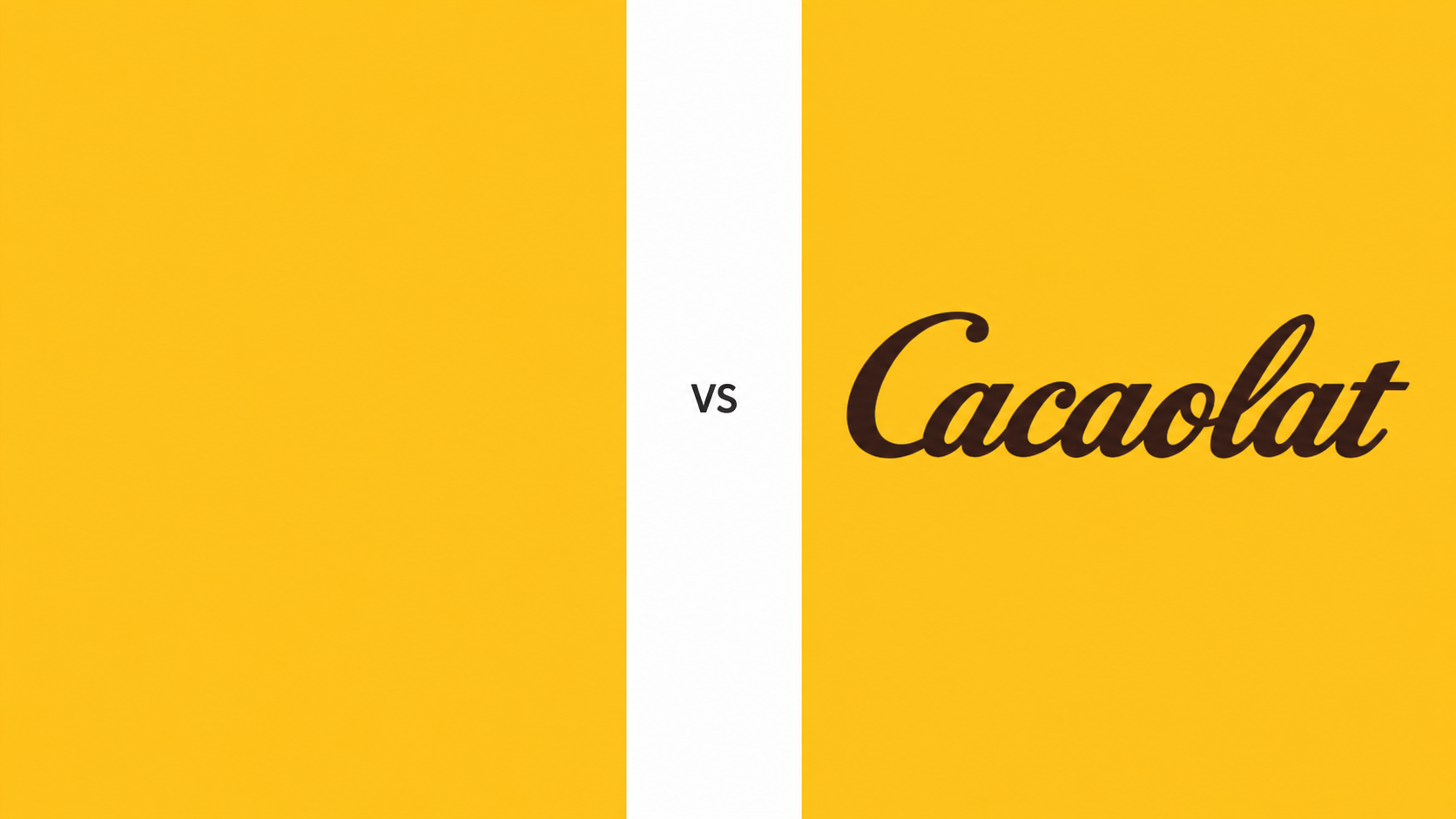
As the owner of the Chocomel trademark, FrieslandCampina also holds a Benelux trademark registration for the color yellow (PMS 116 Uncoated), registered in June 2013 for goods in Class 30, including chocolate milk.
In March 2025, the Spanish company Grupo Cacaolat filed a Benelux trademark application for a combined word/figurative mark “Cacaolat,” also for Class 30, featuring a shade of yellow very similar to that of Chocomel. FrieslandCampina filed an opposition, arguing that there is both a likelihood of confusion and an unjustified exploitation of the fame and reputation of its color trademark.
Under the Benelux Convention on Intellectual Property , an opposition may be filed when a trademark “is identical with, or similar to, an earlier trademark irrespective of whether the goods or services for which it is applied or registered are identical with, similar to or not similar to those for which the earlier trademark is registered, where the earlier trademark has a reputation in the Benelux territory or, in the case of an EU trademark, has a reputation in the European Union and the use of the later trademark without due cause would take unfair advantage of, or be detrimental to, the distinctive character or the repute of the earlier trademark”
What was the BOIP’s ruling in the opposition proceedings?
On September 30, 2026, the Benelux Office for Intellectual Property (BOIP) issued its decision in the opposition proceedings. The BOIP ruled that there is no likelihood of confusion between the trademarks, because the Cacaolat mark is a combined word/figurative mark in which the word element “CACAOLAT” constitutes the dominant and distinctive component, whereas FrieslandCampina’s earlier right concerns a color mark as such.
However, the BOIP ruled that the opposition can nevertheless be (partially) granted on the separate ground of free-riding on the reputation of the color mark.
Taking unfair advantage of the trademark
The decision shows that Chocomel and Cécémel chocolate milk have been sold in the Benelux since 1932, with the color yellow having been consistently used on the packaging and in advertising since then. The BOIP assumes that, due to this long-standing and intensive use, this color has acquired a high degree of recognition and a strong reputation in the Benelux in relation to chocolate milk:
“The Office finds (…) that the evidence submitted shows that the opponent has used the dark shade of yellow, identical to or highly similar to the shade of the invoked mark, over a long period of time and in a dominant manner. This colour appears consistently in advertisements, promotional activities and on product packaging and has consequently acquired a familiar character. In addition, the 2013 market research shows that, in the Netherlands and Belgium taken together, an average of 40% of the relevant public spontaneously identifies Chocomel/Cécémel solely on the basis of the yellow colour applied to the packaging. Although the research does not concern Luxembourg, it nevertheless shows that a significant part of the relevant public in a substantial part of the Benelux recognises the yellow colour as indicating the opponent's chocolate milk products.''
What evidence did the BOIP consider?
The evidence included packaging and advertising materials dating back decades, merchandise, and market research from January 2013, which showed that, on average, 40% of the relevant public in the Netherlands and Belgium combined spontaneously recognized Chocomel or Cécémel based solely on the color yellow. Based on this, the BOIP concluded that the color trademark in question had a reputation in the Benelux for chocolate milk as of the filing date of the contested application.
According to the BOIP, there is also an issue of unfairly taking advantage of Chocomel’s color mark:
“It has been established that the invoked colour mark has a strong reputation with regard to chocolate milk. In view of this reputation and the visual similarity between the signs, it is likely that the image associated with the invoked colour mark may transfer to the contested goods (…).
Consequently, this facilitates the marketing of these goods bearing the contested sign which could promote their sales, thereby reducing the defendant's investment in advertising and allowing it to benefit from the opponent's efforts and reputation in the market, also known as ‘free-riding’.
Furthermore, the defendant has failed to explain why the contested sign uses a shade of yellow that is (nearly) identical to the invoked colour mark, despite having previously used a different colour scheme for its Cacaolat trademark. Given that the parties are competitors on the chocolate milk market, and considering the reputation enjoyed by the invoked colour mark, it is difficult to regard the choice of an almost identical shade of yellow as purely coincidental. Therefore, it is to be expected that the defendant is able to take unfair advantage of the strong image of the famous colour mark of the opponent”
BOIP also finds that, due to the visual similarity between the marks and the strength of that reputation, will associate the disputed mark with Chocomel when it is used for cocoa and chocolate-containing beverages, and that registration for those goods would take unfair advantage of the distinctiveness and reputation of the Chocomel color mark.
Conclusion
Registering and protecting a single color as a trademark is inherently difficult. In this case, the trademark owner was able to demonstrate distinctiveness and established use. The decisive factor here is the many years of consistent use and advertising of the color yellow, which have established it as an indicator of origin with a reputation of its own.
Do you have questions about color protection? Please contact one of our specialists.